How to Build a Home Gym in 2026: Space, Cost & Common Mistakes to Avoid
Building a home gym is one of the most popular upgrades we’re seeing right now, whether that’s to save time, train more consistently, or create a fitness space tailored entirely to you.
At Home Gym Solutions, we work with homeowners across the UK to design and install bespoke home gyms, and one thing we hear time and time again is:
“I wish I’d known this before I started.”
So, if you’re thinking about creating a home gym, here’s everything you need to know before you begin, from space and cost, to the most common mistakes we see.
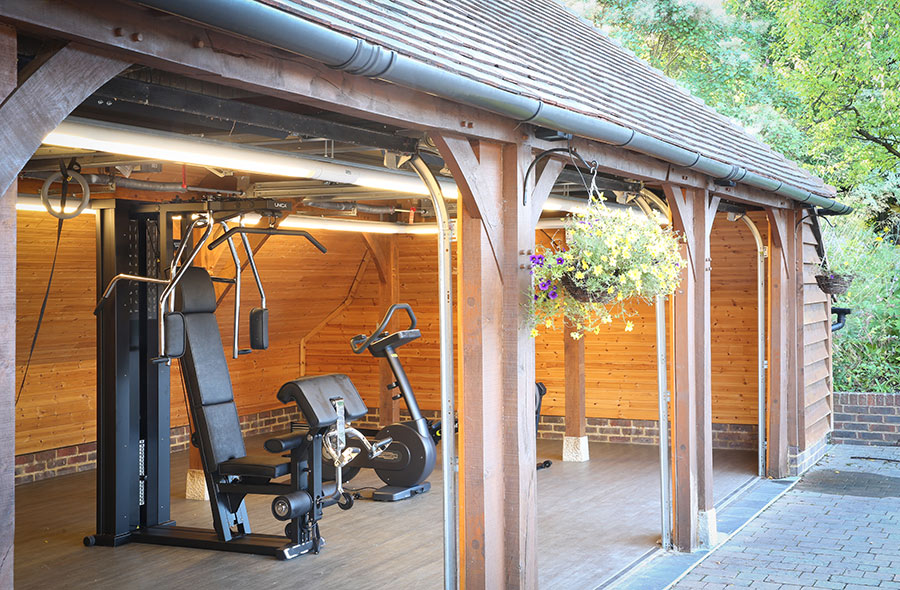
How Much Space Do You Really Need for a Home Gym?
One of the biggest misconceptions is that you need a huge room to build a home gym. In reality, a well-designed space can work in as little as 2m x 2m, depending on your training goals.
Typical space guidelines:
- Small room / spare room: Functional training, free weights, cardio
- Garage (single): Strength + cardio combination
- Garage (double): Full gym layout with zones
Ceiling height is just as important as floor space. For example, overhead presses and pull-ups require additional clearance, which is something we assess during every consultation.
How Much Does a Home Gym Cost in the UK?
There’s no one-size-fits-all answer, and that’s a good thing.
A home gym can range from a modest setup to a fully bespoke installation, depending on:
- Equipment type
- Space preparation (flooring, insulation, power)
- Refurbished vs new equipment
- Design and layout requirements
One way many clients manage costs is by using high-quality refurbished equipment, which can significantly reduce spend without compromising performance or durability.
Refurbished vs New Gym Equipment – What’s Best?
This is one of the most common questions we’re asked.
Refurbished equipment:
- Professionally serviced and tested
- More sustainable
- Excellent value for money
New equipment:
- Latest models and finishes
- Fully customisable aesthetics
- Ideal for premium or showcase gyms
We help clients choose the right mix based on how the space will be used, not just what looks good.
The 5 Biggest Home Gym Mistakes We See
- Poor layout planning
Equipment that doesn’t allow safe movement or progression. - Underestimating flooring
Incorrect flooring can damage equipment and the building itself. - Ignoring ventilation and lighting
These directly impact motivation and comfort. - Buying equipment before planning the space
This often leads to compromises later. - Not thinking long-term
A good gym should evolve with your training.
Expert Tip: Plan First, Buy Second
The most successful home gyms are planned holistically, layout, equipment, flooring and usage all considered together. That’s where working with a specialist can save time, money and frustration.
Ready to Start Planning Your Home Gym?
Whether you’re converting a spare room or designing a full garage gym, we can help you create a space that works for your goals, budget and home.
Get in touch to arrange a consultation or site visit - https://homegymsolutions.co.uk/contact.html
FAQs
How long does it take to install a home gym?
This depends on the project, but many installations can be completed within days once planning is complete.
Do I need planning permission?
Most internal home gyms do not require planning permission, but garages and external buildings may vary.
TestimonialsWhat our clients say
"Home Gym Solutions have worked tirelessly to ensure the project was brought in on time and budget. The final product speaks for itself. We are amazed at the transformation and has had a positive impact on the whole family."
"I trusted Matt and the team at Home Gym Solutions to convert half of our garage into a functional training space that the whole family could use. The end result has exceeded all expectations and the personal walk-through demo after completion was an unexpected bonus and motivated each of us to get in and use this amazing home gym."
The team at HGS were a pleasure to work with right from the inception of the project and clearly understood our vision. They were on hand to provide a completely bespoke service and come highly recommended."
"Matt and the team at HGS provided us with a very professional service based off our specific needs and worked with us to ensure we maximized the use our limited floor space. They went over and beyond to offer several different solutions. The whole process has been hassle free and the transformation from dis-used space, into a fully equipped gym is simply incredible."
"From initial consultation to personal induction, the whole process has been professional beyond words. We had no idea what we really wanted or needed, but Matt and the team took time to listen and offered several different options from selecting the right flooring, equipment to suit our training needs, space saving storage options, ventilation, sound. Their knowledge and creativity was astonishing. They were reliable, easy to deal with and nothing was too much trouble. They came in bang on budget and provided a home gym that exceeded all expectations – professional beyond measure."